
Why do some days
you breathe easy —
and others you don't?
Your breathing isn't controlled by one thing. It's shaped by ten. And until you see the whole picture, you're only managing part of the story.
Explore the 10 FactorsYour Breathing Story Goes Deeper: The Determinant Series
The foundational paper that introduces the Ten-Determinant Framework — what shapes respiratory health, why fragmented care falls short, and how seeing the complete picture changes everything.
Free PDF · February 2026 · 8 min read
You've done everything right. So why are you still struggling?
Most respiratory care focuses on medication alone. But your breathing is influenced by what you eat, when you sleep, what the weather does, how stressed you are—and dozens of invisible daily combinations.
None of that gets addressed in a 10-minute appointment.
of inhaler users have incorrect technique—significantly reducing how much medication actually reaches the lungs.
average real-world medication adherence, far below the controlled conditions of clinical trials.
people with respiratory conditions cannot identify their personal triggers or explain their own symptom patterns.
Ten factors. One breathing story.
The ten interconnected determinants that shape your respiratory health every single day. Some you've heard of. Some will surprise you. Together, they explain the pattern you've never been able to see.
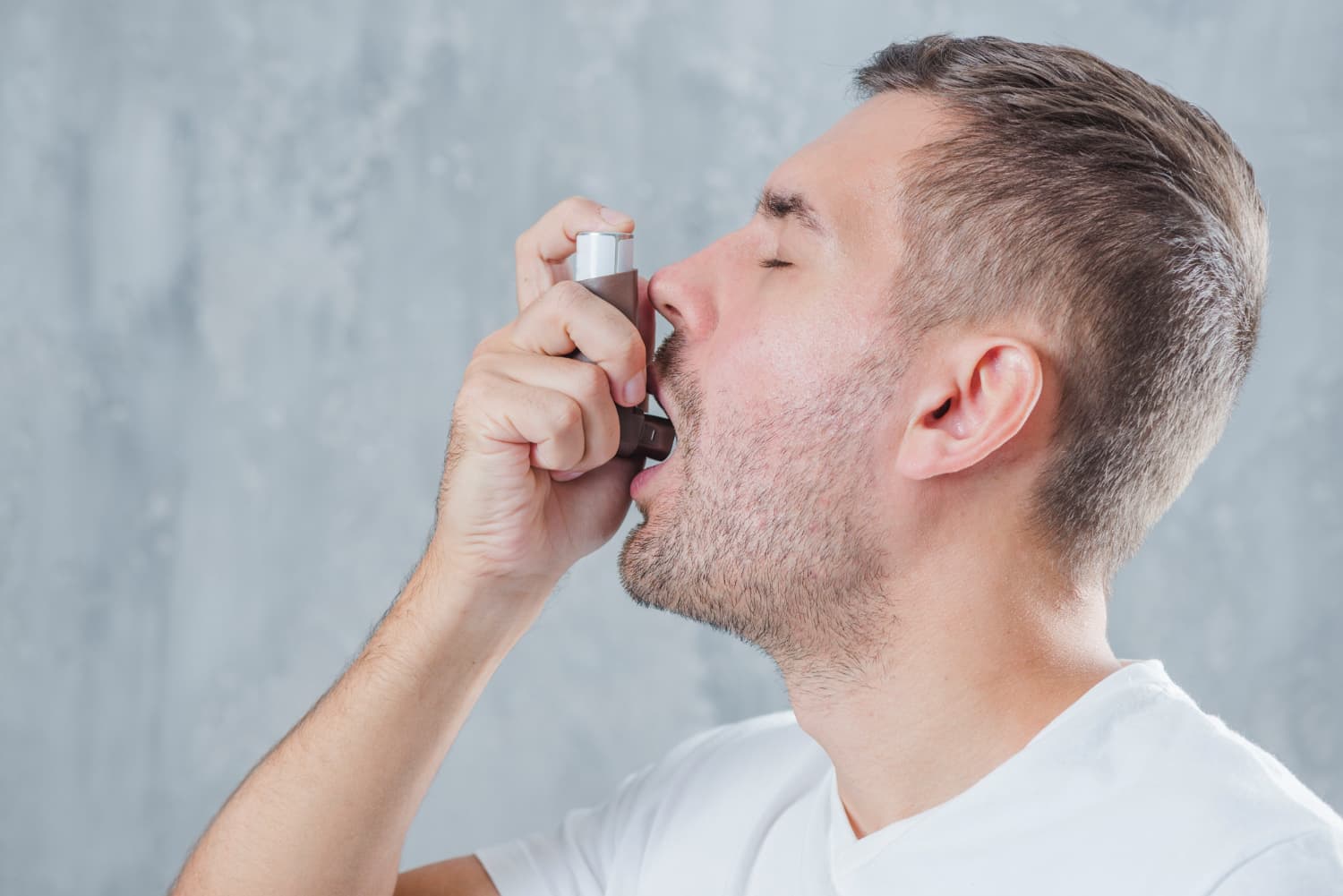
 Inhaler Use
Proper inhaler technique is critical for medication delivery. Studies show that technique errors reduce drug deposition in the lungs by up to 80%, yet most patients never receive hands-on training or periodic reassessment.

 Medications
Medication effectiveness depends on consistency, timing, and proper use patterns. Real-world adherence differs dramatically from clinical trial settings, influenced by side effects, complexity, and patient understanding.

 Supplements
Certain supplements show promise for respiratory support in research, but individual responses vary widely. Understanding which supplements benefit specific individuals requires personalized assessment.

 Food
FoodNutrition affects respiratory health through multiple pathways: inflammatory responses, reflux triggering, histamine reactions, and micronutrient status. Timing and composition of meals can significantly influence symptoms.

 Weather
Meteorological factors including temperature and humidity directly affect airway responsiveness and symptom patterns in predictable but individual-specific ways.
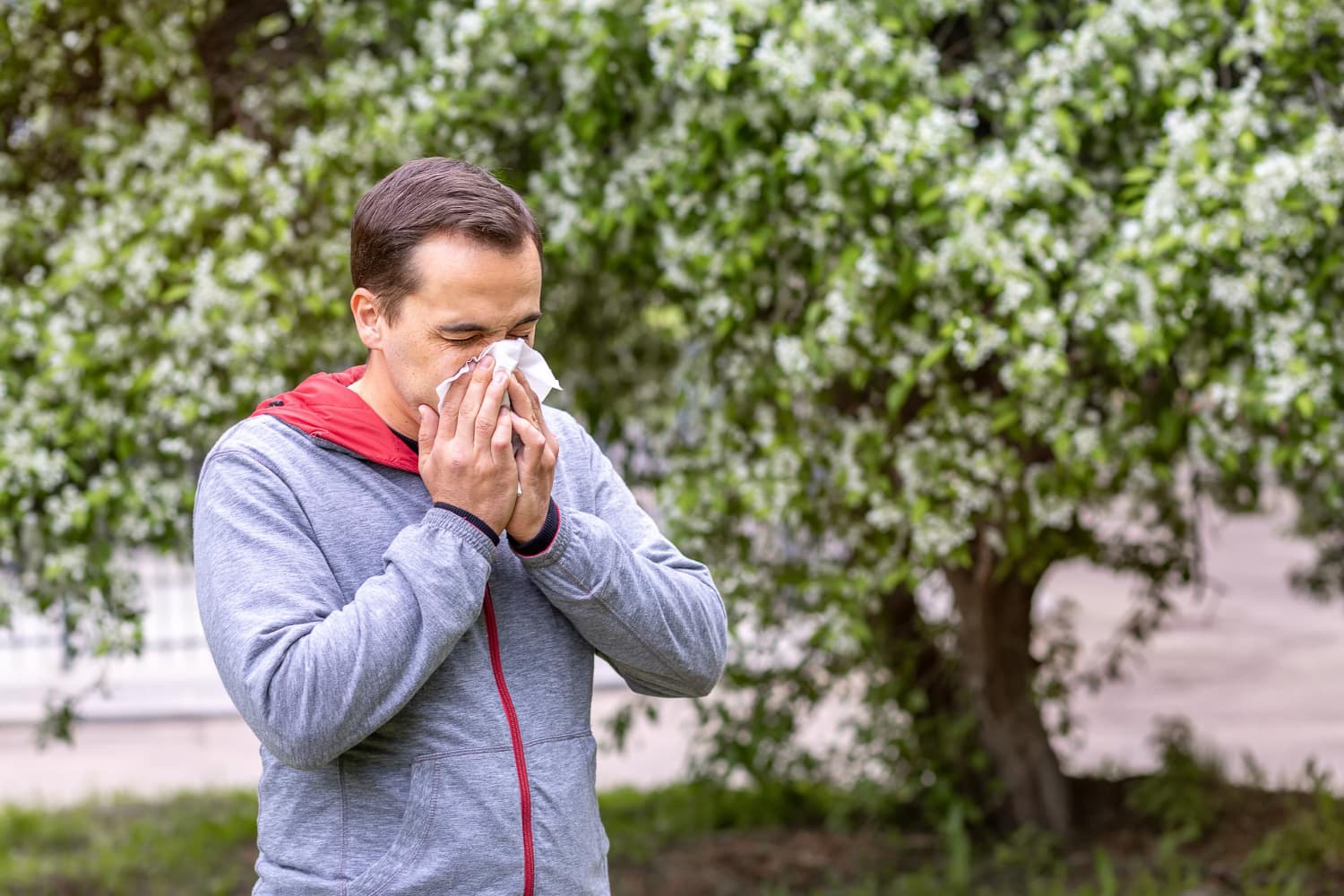
 Env. Factors
Indoor and outdoor environmental exposures—allergens, pollutants, irritants, and chemicals—create respiratory burden that varies by location, season, and individual sensitivity patterns.

 Hydration
Adequate hydration maintains airway surface liquid, supports mucociliary clearance, and affects mucus viscosity. Dehydration can worsen airway obstruction and symptom perception.

 Activity
Physical activity offers respiratory benefits but requires proper pacing, warm-up protocols, and environmental consideration. Exercise-induced symptoms can be managed through strategic planning.

 Sleep
SleepSleep quality and respiratory health have bidirectional relationships. Poor sleep worsens inflammation and symptom perception, while respiratory symptoms disrupt sleep architecture.

 Stress
Psychological stress activates inflammatory pathways, alters breathing patterns, and increases symptom perception. Stress management is a critical component of comprehensive respiratory care.
The pattern you've been missing is visible now.
Respire LYF helps you track your experience across all ten determinants, spot your personal patterns, and discover what actually drives your symptoms — and what protects you.
Start Discovering Your PatternNot one-size-fits-all.
Your story, specifically.
Generic advice — "avoid triggers," "stay active" — only gets you so far. Real improvement comes from understanding what matters for you.
Start Your Journey